What Is Salah, Why Is It Necessary for Muslims?
Mohd Danish
Founder & Developer
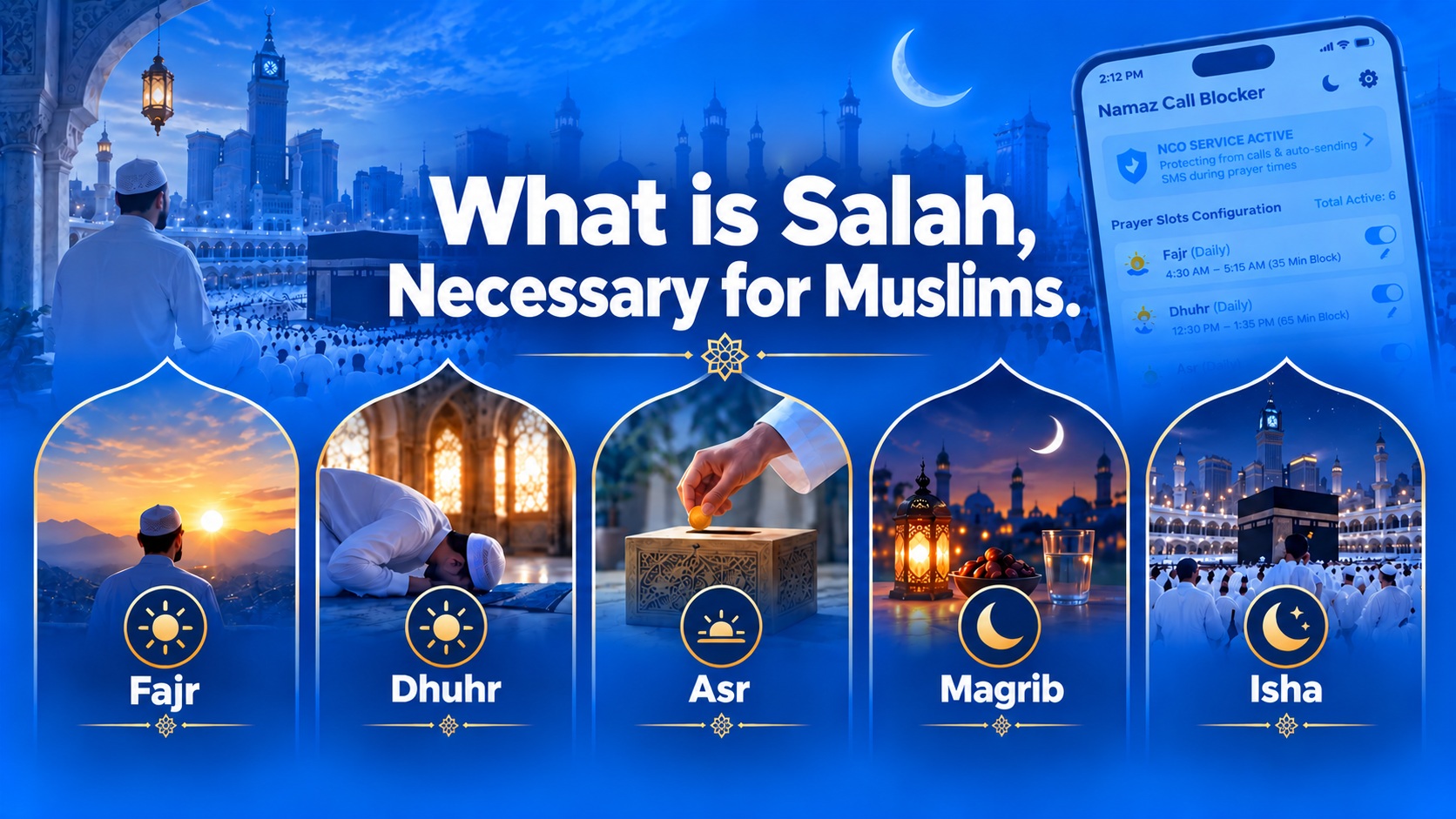
Salah is the obligatory Islamic prayer performed five times daily by Muslims. It is the second pillar of Islam and an essential act of worship through which believers remember Allah Subhanahu wa Ta’ala, express gratitude, and strengthen their connection with their Creator.
But why is Salah so necessary in Islam? Why are Muslims commanded to pray five times every day, and what does Salah teach us about our purpose in life?
Let’s understand its meaning, importance, and benefits through the teachings of the Holy Quran.
What Is Salah in Islam?
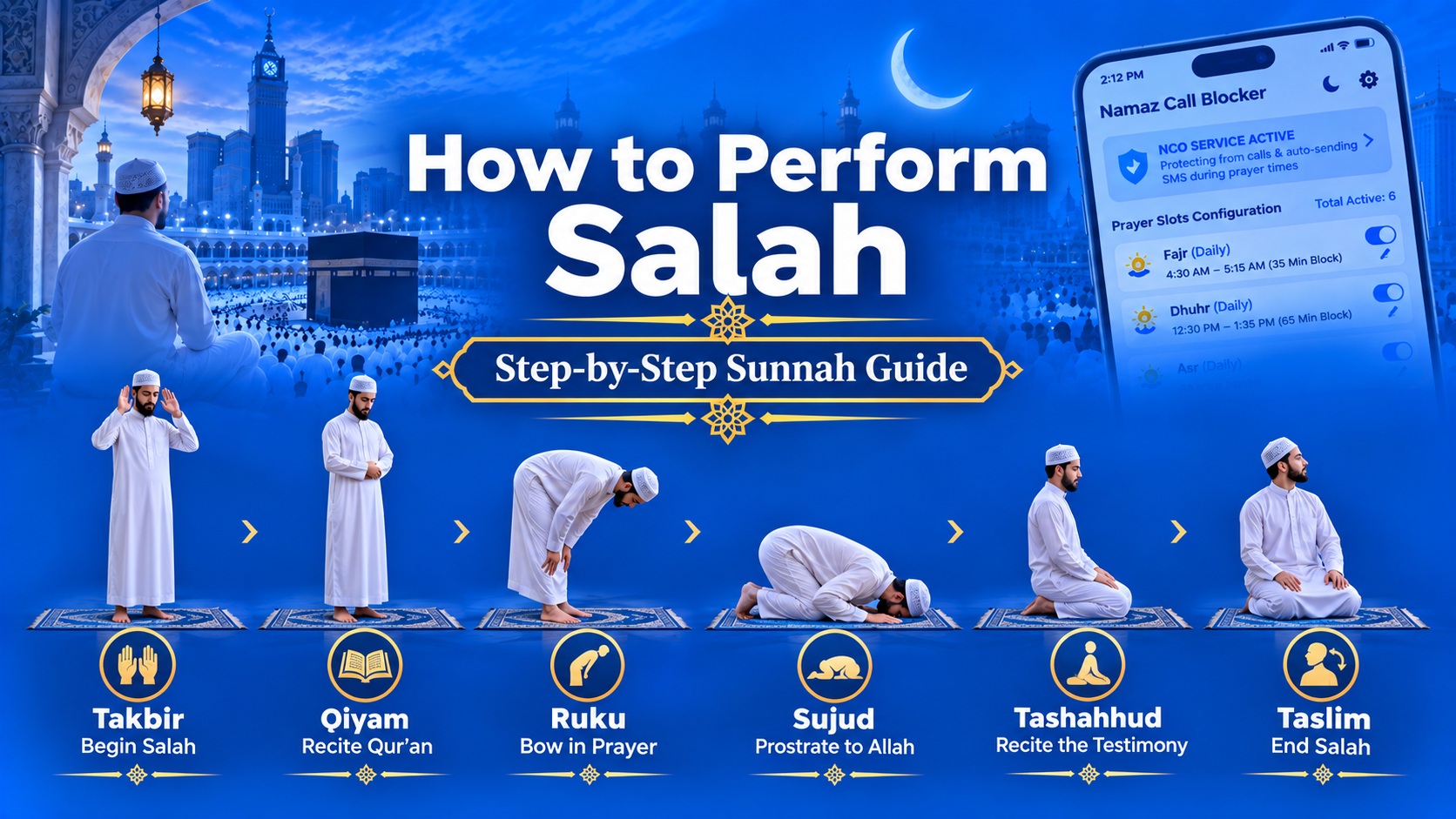
Salah is a prescribed form of Islamic worship involving Quranic recitation, standing (Qiyam), bowing (Ruku), and prostration (Sujood).
It is more than a physical activity. Salah represents faith, humility, obedience, and remembrance of Allah.
The word Salah is Arabic, while Namaz is commonly used in South Asian countries such as India, Pakistan, and Bangladesh. Both terms refer to the same Islamic ritual prayer.
For South Asian readers, our article Why Is Namaz Important in Islam? explores its significance in everyday Muslim life.
Salah is also connected to the fundamental beliefs explained in the Six Articles of Faith in Islam.
Why Is Salah Necessary for Muslims?
Salah is necessary because Allah has commanded Muslims to establish prayer at prescribed times. It is an obligation, not merely an optional spiritual practice.
Allah Subhanahu wa Ta’ala says:
Surah An-Nisa (4:103)
إِنَّ ٱلصَّلَوٰةَ كَانَتْ عَلَى ٱلْمُؤْمِنِينَ كِتَـٰبًا مَّوْقُوتًا
Translation (Saheeh International, excerpt):
“Indeed, prayer has been decreed upon the believers a decree of specified times.”
Quran Reference: https://quran.com/4/103
This verse establishes the importance of performing Salah at its prescribed times.
Muslims perform Salah to worship Allah, remember His blessings, seek forgiveness, and fulfill their religious responsibilities.
Salah Is the Second Pillar of Islam
Islam is built upon five fundamental pillars:
- Shahadah: Declaration of faith.
- Salah: Five daily obligatory prayers.
- Zakat: Obligatory charity.
- Sawm: Fasting during Ramadan.
- Hajj: Pilgrimage to Makkah for those who are able.
These pillars form the foundation of Islamic practice. Learn more about the Five Pillars of Islam.
Salah Helps Muslims Remember Allah
Our daily lives involve work, education, family responsibilities, and countless distractions.
Salah reminds us to pause these activities and turn our attention toward Allah.
Allah says in Surah Taha (20:14):
إِنَّنِيٓ أَنَا ٱللَّهُ لَآ إِلَـٰهَ إِلَّآ أَنَا۠ فَٱعْبُدْنِي وَأَقِمِ ٱلصَّلَوٰةَ لِذِكْرِيٓ
Translation (Saheeh International):
“Indeed, I am Allah. There is no deity except Me, so worship Me and establish prayer for My remembrance.”
Quran Reference: https://quran.com/20/14
This verse explains that remembrance of Allah is one of the central purposes of Salah.
Salah Encourages Good Character
Salah is intended to influence not only our worship but also our everyday behavior.
Allah says in Surah Al-Ankabut (29:45):
إِنَّ ٱلصَّلَوٰةَ تَنْهَىٰ عَنِ ٱلْفَحْشَآءِ وَٱلْمُنكَرِ
Translation (Saheeh International, excerpt):
“Indeed, prayer prohibits immorality and wrongdoing.”
Quran Reference: https://quran.com/29/45
Sincere prayer encourages Muslims to practice honesty, kindness, patience, and humility. Its lessons should be reflected in how we treat others.
What Are the Five Daily Salah Prayers?
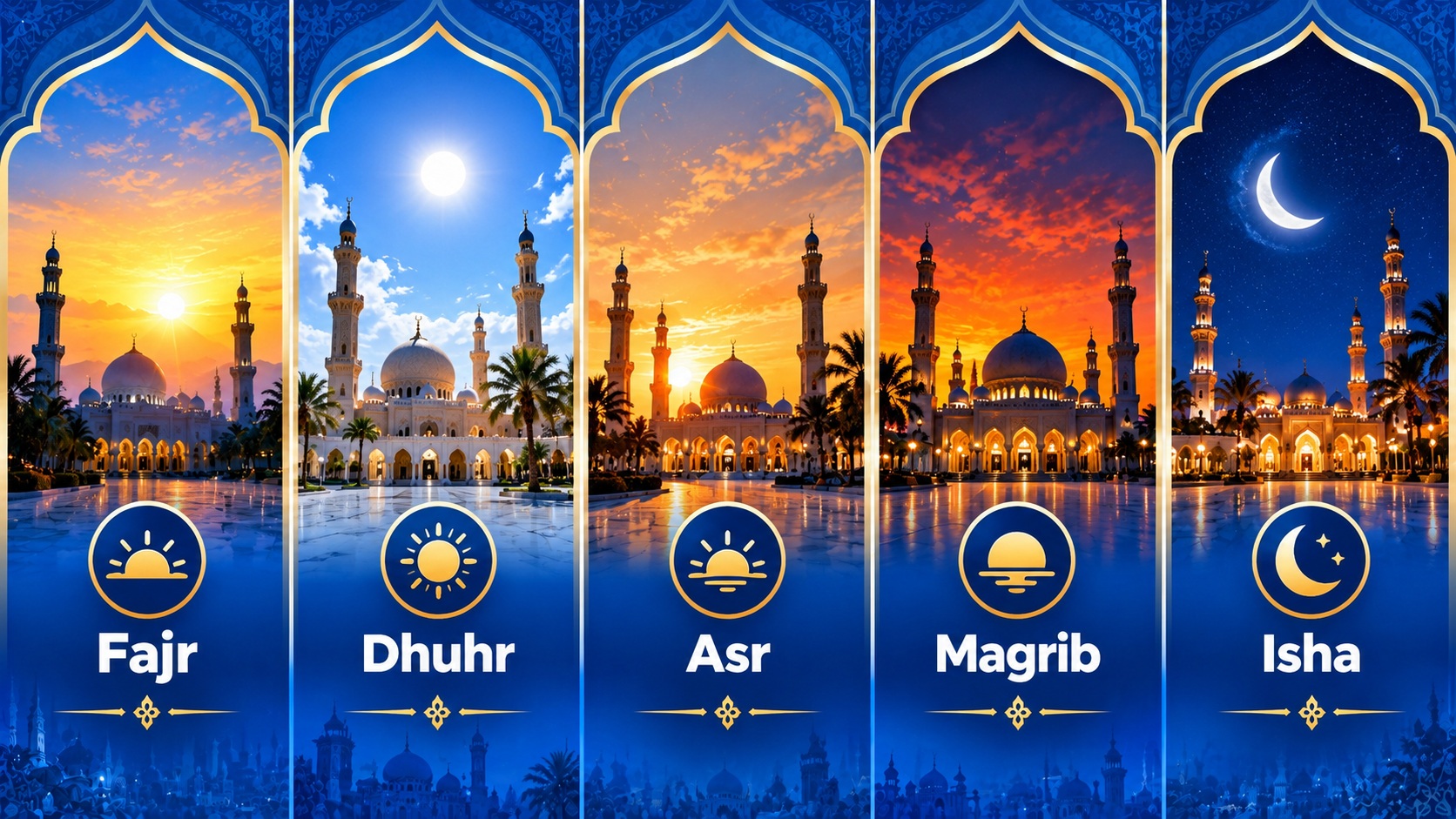
Muslims perform five obligatory prayers every day, each within its prescribed time.
| Prayer | Time | Obligatory Rak’ahs |
|---|---|---|
| Fajr | Dawn, before sunrise | 2 |
| Dhuhr | After midday | 4 |
| Asr | Afternoon | 4 |
| Maghrib | After sunset | 3 |
| Isha | Night | 4 |
A Rak’ah is one complete unit of prayer involving prescribed recitations and movements.
Fajr begins the day with remembrance of Allah.
Dhuhr provides an opportunity to pause during work or study.
Asr reminds Muslims of their responsibilities toward Allah during the afternoon.
Maghrib is performed after sunset as the day comes to an end.
Isha allows believers to conclude their day with worship.
Exact prayer times vary by location and season. Some timing details also differ among recognized Islamic schools of jurisprudence.
What Are the Benefits of Salah in Daily Life?
Salah has spiritual, personal, and social significance.
- Spiritual Connection: Strengthens a believer’s relationship with Allah through regular worship.
- Discipline: Encourages punctuality and better management of daily responsibilities.
- Humility: Bowing and prostration remind Muslims of their dependence on Allah.
- Gratitude: Encourages appreciation for life, health, knowledge, family, and sustenance.
- Unity: Congregational prayer brings Muslims together regardless of nationality, language, or social background.
- Reflection: Provides moments to step away from worldly distractions and focus on worship.
These benefits are meaningful, but the primary purpose of Salah remains obedience to Allah.
What Does the Quran Say About Neglecting Salah?
The Holy Quran warns believers against neglecting prayer.
Allah says in Surah Maryam (19:59):
فَخَلَفَ مِنۢ بَعْدِهِمْ خَلْفٌ أَضَاعُوا۟ ٱلصَّلَوٰةَ وَٱتَّبَعُوا۟ ٱلشَّهَوَٰتِ ۖ فَسَوْفَ يَلْقَوْنَ غَيًّا
Translation (Saheeh International):
“But there came after them successors who neglected prayer and pursued desires; so they are going to meet evil -”
Quran Reference: https://quran.com/19/59
Neglecting obligatory Salah is considered a serious matter in Islam.
However, Muslims who have neglected prayer should seek Allah’s forgiveness, sincerely repent, and strive to establish their prayers regularly. Islamic scholars provide further guidance regarding missed prayers.
Why Is Concentration (Khushu) Important During Salah?
Imagine standing before Allah in prayer while your phone keeps ringing or notifications interrupt your concentration.
Such distractions can make it difficult to focus on worship.
Allah describes successful believers in Surah Al-Mu’minun (23:1–2):
قَدْ أَفْلَحَ ٱلْمُؤْمِنُونَ
ٱلَّذِينَ هُمْ فِي صَلَاتِهِمْ خَـٰشِعُونَ
Translation (Saheeh International):
“Certainly will the believers have succeeded:”
“They who are during their prayer humbly submissive”
Quran Reference: https://quran.com/23/1-2
This quality is known as Khushu, meaning humility, attentiveness, and sincere devotion during prayer.
Muslims can reduce distractions by silencing their phones, disabling unnecessary notifications, and preparing a peaceful place for Salah.
Technology can sometimes distract us, but it can also support beneficial routines. Explore how human abilities inspire technology in our Artificial Intelligence (AI) and Islam | Computer Fundamentals article.
Namaz Call Blocker – Stay Focused During Salah
Namaz Call Blocker (NCB) is an Android Salah App designed to help Muslims reduce phone interruptions during their preferred prayer times.
Its features include:
- Auto Call Reject: Reject incoming calls during configured Salah periods.
- Auto SMS Reply: Optionally notify callers that you are performing Salah.
- Auto Silent or Vibrate: Automatically change your phone’s sound settings.
- Auto Restore: Restore previous sound settings after the configured prayer period.
- Prayer Reminder: Receive a reminder before your scheduled Salah.
Learn more about its features in our Why Choose Namaz Call Blocker article.
Free to Use | No Internet | No Ads | Your Data Is Safe
Only for Android
Official Website: https://namazcallblocker.com
Frequently Asked Questions About Salah
What is Salah in simple words?
Salah is the obligatory Islamic prayer performed five times daily to worship Allah. It is the second pillar of Islam.
Why do Muslims pray five times a day?
Muslims pray five times daily because Allah has prescribed Salah at specific times. These prayers encourage regular worship, remembrance, gratitude, and discipline.
Is Salah the same as Namaz?
Yes. Salah is the Arabic term, while Namaz is widely used in South Asian languages, including Urdu and Hindi. Both refer to the Islamic ritual prayer.
Is Salah compulsory for every Muslim?
The five daily prayers are obligatory for adult Muslims who meet the relevant religious conditions. Islamic teachings recognize exemptions and special rulings for certain circumstances.
What is the difference between Salah and Dua?
Salah is a prescribed act of worship involving specific recitations and movements. Dua is supplication, through which a person asks Allah for guidance, forgiveness, mercy, or other needs.
What is Khushu in Salah?
Khushu means humility, attentiveness, and sincere devotion to Allah during prayer.
Moral of the Article
Allah Subhanahu wa Ta’ala has blessed human beings with life, health, intelligence, time, and countless opportunities.
We organize our lives around work, education, business, and family responsibilities. Yet, we should never forget the One who has given us these blessings.
We make time for the responsibilities of this world. We should also make time to stand before the One who created us.
Salah reminds us to remain grateful, humble, disciplined, and connected to Allah.
Conclusion
Salah is one of the foundations of Islamic life. It strengthens faith, encourages discipline, and reminds Muslims of their purpose.
The five daily prayers are not simply interruptions to our routines. They are opportunities to remember Allah throughout the day.
Let us strive to perform Salah regularly, understand its meaning, and protect our prayer time from unnecessary distractions.
May Allah Subhanahu wa Ta’ala grant us the ability to establish Salah and remain steadfast in His remembrance. Ameen.