Why Is Namaz Important in Islam?
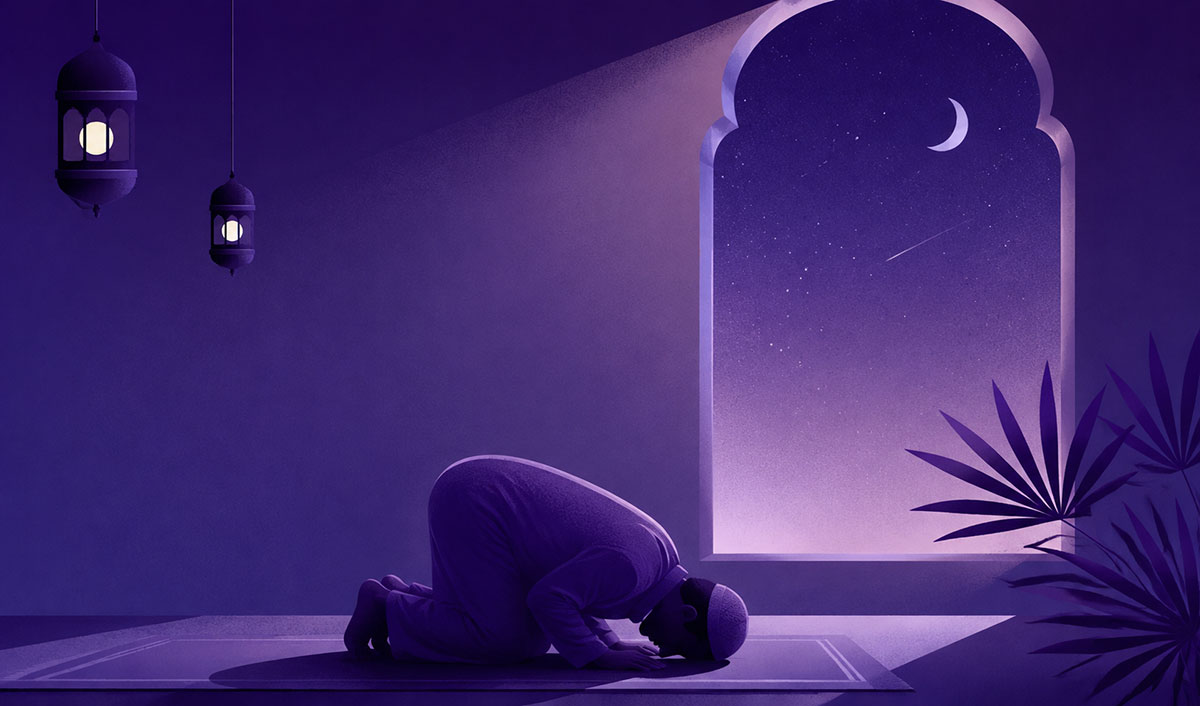
Namaz, also known as Salah, is one of the most important acts of worship in Islam. Muslims are instructed to establish prayer and observe it at its appointed times. Throughout the day, Namaz gives a Muslim regular opportunities to turn away from worldly activities and remember Allah.
The importance of Namaz is clearly established in the Qur’an and the teachings of Prophet Muhammad ﷺ.(Peace be upon him) It is not simply a routine performed at certain times of the day. Prayer is an act of worship through which a Muslim stands before Allah, remembers Him, and expresses submission to Him.
What Is Namaz?
Namaz is the commonly used term for the Islamic prayer, while Salah is the Arabic term.
The five daily prayers are:
- Fajr
- Dhuhr
- Asr
- Maghrib
- Isha
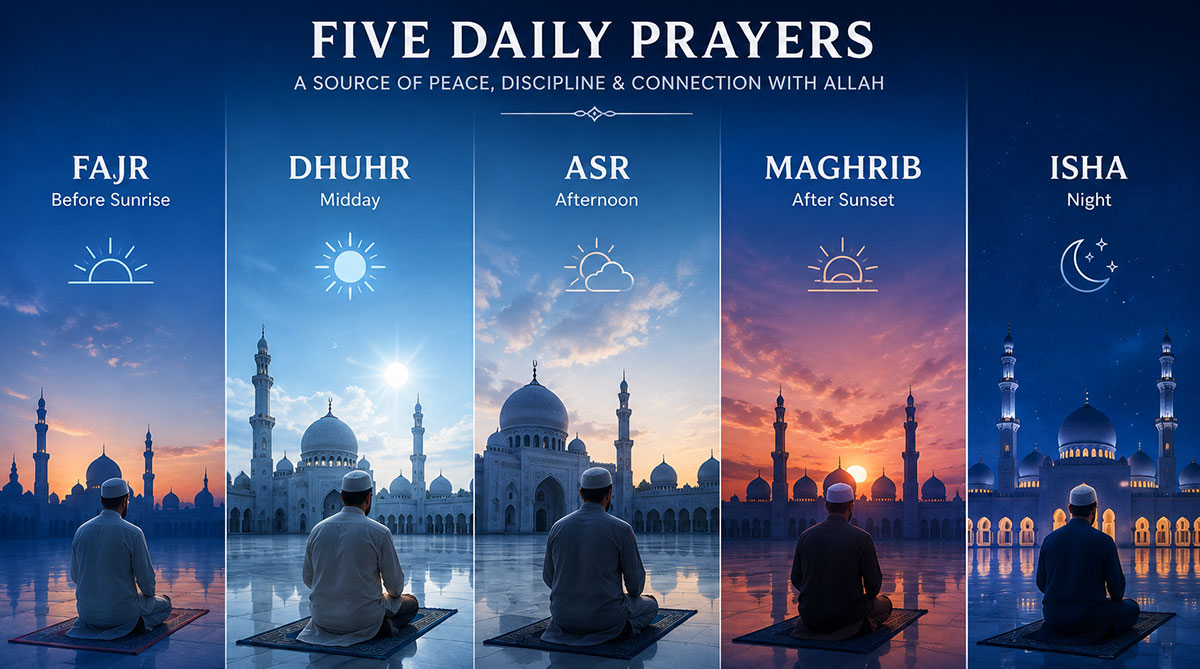
The Qur’an tells believers that prayer has been prescribed at specified times, as stated in Qur’an 4:103, which describes prayer as a decree with fixed times for the believers.
This teaches an important principle: Namaz has appointed times that Muslims are encouraged to observe as part of their daily rhythm.
Namaz Has a Central Place in Islam
The importance of prayer can also be understood from a well-known authentic Hadith recorded in Sahih al-Bukhari.
Ibn Umar رضي الله عنهما reported that the Messenger of Allah ﷺ said that Islam is built upon five pillars, including establishing prayer.
Sahih al-Bukhari 8
This Hadith places prayer among the fundamental practices upon which Islam is built.
The Quran Encourages Believers to Maintain Their Prayers
The Qur’an repeatedly speaks about prayer and its importance.
Qur’an 2:238 instructs believers to carefully maintain their prayers and to stand before Allah with devotion.

This teaches Muslims that prayer deserves attention and care, and is worth prioritizing amid the demands of daily life.
Namaz Is a Way to Remember Allah
One of the important purposes of prayer mentioned in the Qur’an is remembrance of Allah.
Allah says in Qur’an 29:45 that prayer is connected with remembering Him and that prayer restrains from immorality and wrongdoing.
This gives us an important understanding of Namaz.
A Muslim’s day can become filled with work, business, studies, family responsibilities, and other concerns. Namaz provides regular moments in which a person can pause and turn their attention toward Allah.
The prayer itself includes recitation, glorification, supplication, bowing, and prostration. These acts help a Muslim remember that life holds meaning beyond worldly responsibilities.
Namaz Connects a Muslim With Allah
Namaz is a direct act of worship.
A Muslim stands before Allah, praises Him, recites from the Qur’an, bows and prostrates in submission, and makes supplication.
This regular connection is meaningful in its own right, woven into the rhythm of the day: Fajr begins the day with worship, Dhuhr and Asr provide opportunities to remember Allah during the day’s activities, Maghrib comes around sunset, and Isha concludes the day with another prayer.
The five prayers create a steady pattern of worship throughout a Muslim’s day.
Namaz Encourages Consistency
The five daily prayers also teach consistency.
A Muslim may have a busy schedule, and the appointed prayer times offer a way to build worship into that schedule. Many find it helpful to organize their day around these moments of prayer rather than letting them slip by unintentionally.
The Qur’an’s instruction to carefully maintain the prayers reinforces the value of this consistency.
Of course, everyone’s circumstances differ, and life can make this genuinely difficult at times. Islam contains specific rulings for different circumstances, and detailed questions about those rulings should be referred to qualified scholars. The general principle, however, is clear: prayer has an important and established place in the life of a Muslim, and it’s something to return to with compassion for oneself rather than guilt.
The Five Daily Prayers and Forgiveness
There is also an authentic Hadith in Sahih Muslim concerning the five daily prayers.
Sahih Muslim 233a
Abu Hurairah رضي الله عنه reported that the Messenger of Allah ﷺ said that the five prayers and one Friday prayer to the next are an expiation for the sins committed between them, provided major sins are avoided.
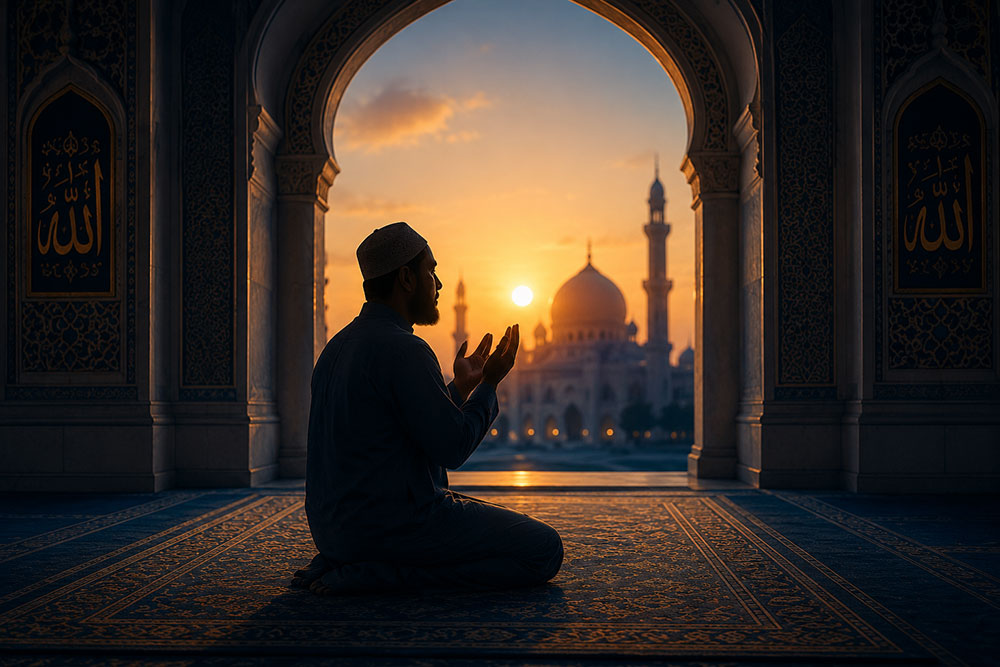
The qualification concerning major sins is important and should not be removed when explaining this Hadith.
This narration highlights the mercy associated with regularly observing the prayers, offering encouragement and hope rather than a strict standard to fear falling short of.
Namaz and Focus
Namaz calls for a Muslim’s full attention in worship.
Because of this, unnecessary distractions during prayer can be undesirable. In modern life, smartphones are one common source of interruption. Calls, notifications, and vibrations can disturb a person’s concentration and may also disturb others praying nearby.
Simple habits can help: silencing unnecessary notifications, keeping the phone out of reach during prayer, and creating a peaceful environment beforehand.
Some people also find it helpful to use tools that reduce avoidable interruptions during their prayer times, such as apps that manage incoming calls while Namaz is in progress.
The purpose of such tools is not to replace the importance of prayer, but simply to help reduce one modern distraction for those who find it useful.
Why Namaz Holds Such an Important Place
The Qur’an and authentic Hadith offer clear insight into why Namaz matters so much.
Prayer is prescribed at specific times, and believers are encouraged to maintain it with care. The Qur’an connects prayer with remembrance of Allah and with restraining wrongdoing. The Prophet Muhammad ﷺ (Peace be upon him) also included establishing prayer among the foundations upon which Islam is built.
These teachings show why Namaz has such an important place in Muslim life — as an opportunity to pause during the day, worship Allah, remember Him, and renew one’s connection to faith.
Conclusion
Namaz is much more than a routine that takes place five times a day. It is a fundamental act of worship and an important part of a Muslim’s relationship with Allah.

The Qur’an instructs believers to maintain their prayers and establishes prayer as an act performed at appointed times. It also connects prayer with the remembrance of Allah, while authentic Hadith demonstrate the central position of prayer in Islam.
In a world filled with constant distractions, protecting the time and focus of Namaz can be especially meaningful — not as a burden, but as a source of peace to return to, again and again.
May Allah help us establish our prayers, remember Him sincerely, and worship Him in the best manner.
Ameen.